


In today’s digital world, it is not easy to gain customers’ trust. As Customer Service Officers, we need to demonstrate competence and understanding so that customers know they can rely on us.

This is especially true in situations when customers face a problem and want immediate solutions. We need to understand that they will be feeling frustrated and anxious about the issues. How would we react if we were in their shoes, facing an issue that we can’t solve? Imagine if we were responded to with technical terms that we do not understand, wouldn’t that make us feel even more confused and frustrated?

This is why clear communication is essential. When we explain technical issues in simple language, customers will feel supported and confident that we can assist them in resolving the issues. Providing them with assurance and empathy will reduce the burden and greatly benefit the customer.
Customers come from all sorts of backgrounds and will have varying levels of technical knowledge. We need to assess each customer’s level of understanding during our exchange with them and determine the best way to assist them.
As communication becomes increasingly digital, customers can reach out to us in many ways. It can be through a phone call, live chat, online meeting or even through a remote support session.
Simple issues can be resolved quickly over the phone with our step-by-step guidance. However, complex technical issues will require an online meeting or remote support session so that we are able to troubleshoot further. Providing support through the most appropriate channel improves efficiency and enhances the overall customer experience and satisfaction.
For example, when customers call our mainline about a technical issue with our software, we need to identify the issue accurately. This enables us to provide clear and simple instructions that they are able to follow on their end. This leads to a positive customer experience as their issue gets resolved within minutes on the phone call.
When customers contact us with their issues, actively listening first allows us to understand the problem before trying to resolve it. This also helps customers feel heard and valued, compared with a quick chat with an AI agent, where issues and questions go unanswered, as the responses are pre-programmed and often frustrate customers further by not addressing their concerns directly, affecting the customer satisfaction rate.
Empathising with customers is important but providing assurance is key in building digital trust. A simple response such as “I understand that you are feeling frustrated but don’t worry, we will help to resolve the issue” helps acknowledge their emotions and provide affirmation to the customers. When customers feel reassured, they can remain patient and have confidence in our support process, which may not be immediate in most situations.
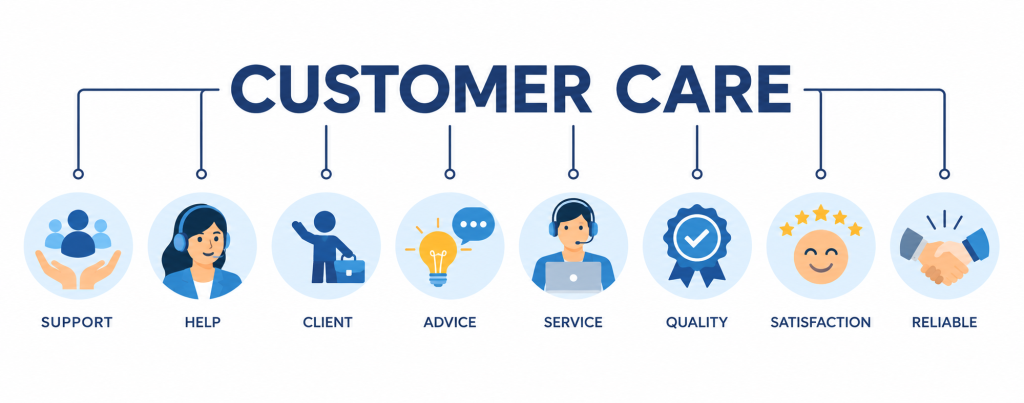
By minimising the gap between technical expertise and customer needs, customer service teams are a fundamental part of creating secure and trusted digital experiences. Human customer service is irreplaceable, as real people can provide empathy and reassurance, resolve complex issues and build long-term trust, which AI will not be able to match in the long-term.

As a Customer Service Officer at Netrust, I am committed to delivering responsive, reliable, and professional support to our customers, ensuring they receive accurate guidance and timely assistance whenever needed.
When we consistently meet customers’ needs and resolve issues effectively, it strengthens their confidence in and satisfaction with our services.
Satisfied with our service? We would love it if you went to our Google link and wrote us a review. 😊
Follow us on LinkedIn for the latest happenings/updates.